
Are Fears & Phobias Taking Over?
You Are Not Alone.
WHAT IS A PHOBIA?
A phobia is an intense fear of or aversion to specific objects or situations. It is estimated that 12% of the worldwide population have phobias. Phobias can occur at any age. Children often fear sleep or being alone. Symptoms such as headaches, restlessness, abdominal pain, and heart palpitations are often common. They can begin in children as early as pre-kindergarten.
TYPES OF PHOBIAS
There are many types of phobias. The most common types are: specific phobias (triggered by a specific stimulus or situation), panic disorder, agoraphobia, social anxiety disorder, post-traumatic stress disorder, separation anxiety disorder and obsessive-compulsive disorder.
SYMPTOMS OF PHOBIAS
When people are exposed to or encounter a phobia, they likely experience intense fear, trembling, shortness of breath, sweating, rapid heartbeat, or even panic. Most people with specific phobias often go out of their way to avoid encountering it. They may understand that their fear is not proportional to the actual potential danger. Even though these feelings appear irrational to others, those with the phobia are still overwhelmed by it.
SITUATIONAL FEARS
Fears and phobias occur anywhere and specifically they focus on the object or situation one fears. An example is someone falling asleep, and in his/her dreams, he/she transports to the location where exposure to the phobia last occured.
Fears & Phobias
RESTRICTS ACTIVITIES
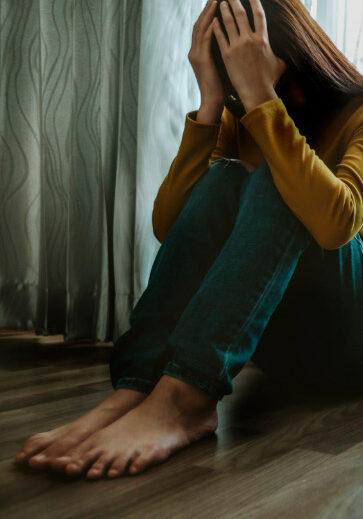
Some people understand that their fear is not proportional to the actual potential danger. It's even irrational, but they still are overwhelmed by it. This triggers internal, emotional and physiological reactions. Their lack of control is often a source of embarrassment and disappointment, restricting many activities.
This vigilant avoidance may result in self-confinement, social isolation, or agoraphobia. A few clients even refused to go outside their home for months.
FEARS GET PASSED ON
With almost all mental health behaviors, the major consequence results in the loss of one reaching his/her full potential and satisfaction in daily living. Self-esteem is lowered and often stifles life.
Unfortunately, phobias in parents are learned and embedded into their children through self-observation. Conversely, if parents learn through therapy to master and overcome their phobias, their children grasp that skill too. They can learn to overcome this fear as well.
Through therapy, clients can conquer their fears and phobias, and feel the joy and satisfaction of self-mastery. Often this unlocks their energy and creative powers as they soar upward and reach a higher potential.
I have witnessed dozens of clients overcome a wide variety of fears and phobias, and reach new heights of achievement they never thought possible. Through their courage and hard work, they broke the chains of irrational fears and phobias which, for some, have held them back for decades.
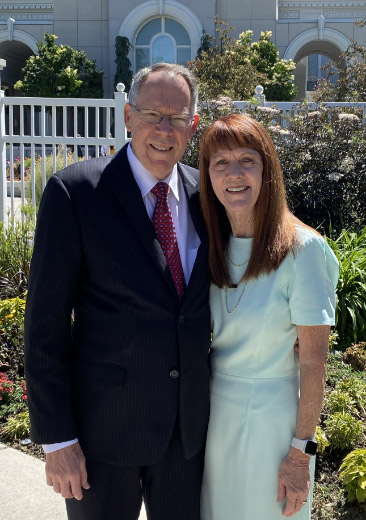
He has an insight into mental health problems that helped individuals with chronic pain syndromes, depression, anxiety, scrupulosity, homesickness, pornography addiction, phobias, abuse (sexual, emotional and physical), self-esteem, OCD (obsessive-compulsive disorder), and many other mental health issues.
-K.R.J MD
Gordon T. Foote, LCSW
Faith-Based Therapy For Fears & Phobias
I’ve been a licensed therapist for 46 years and treated hundreds of clients. I assign and explain focused homework that aims to teach the skills necessary to help each client change. During therapy clients demonstrate both application and proficiency of the skills taught. They can read how other clients applied these same concepts and overcame their issues. This builds confidence and is evidenced based.
Gain Self-Mastery Over Fears & Phobias
Counseling breaks irrational chains that holds people captive